1SMRTgarden@gmail.com
USA
USA
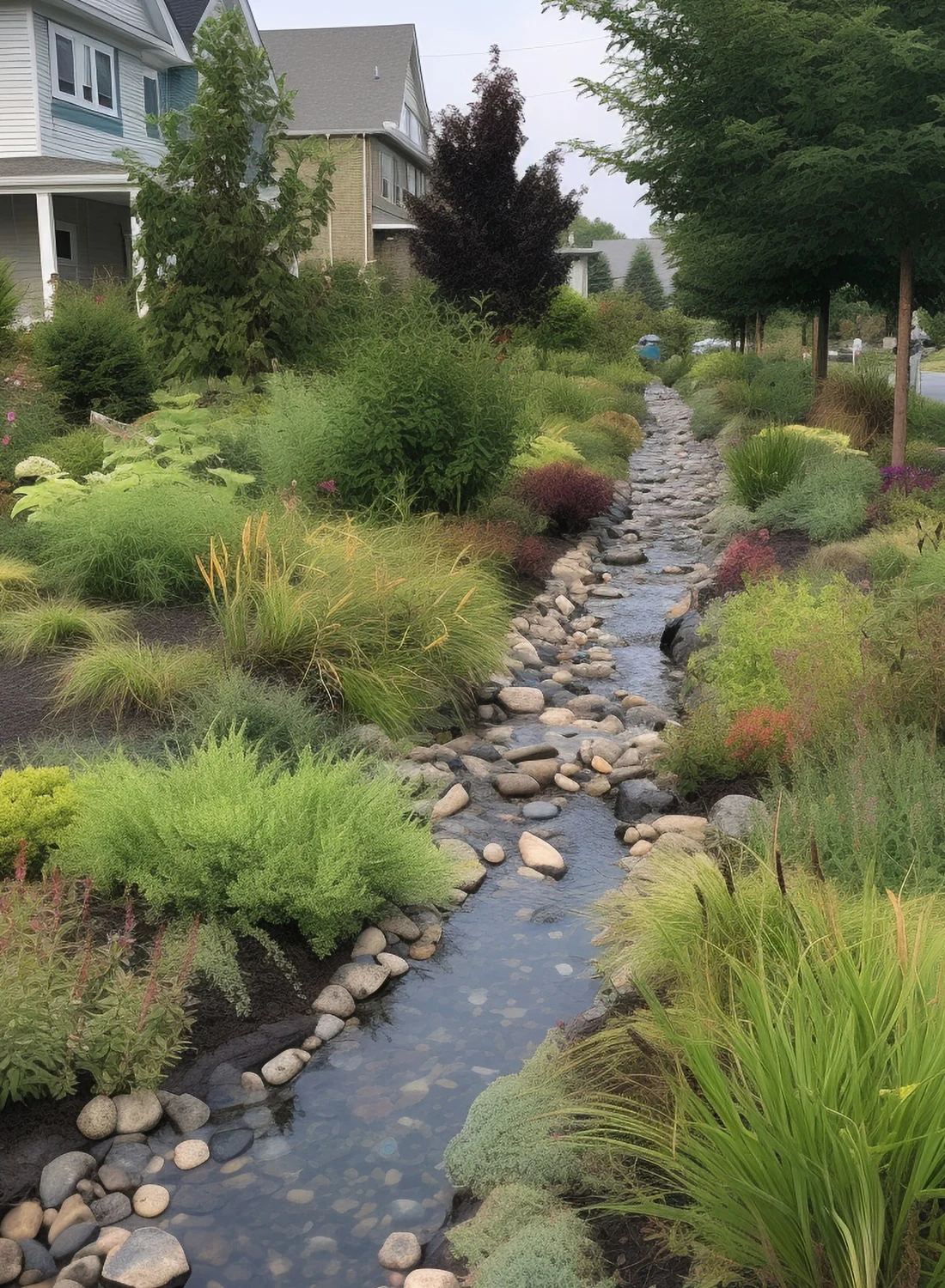

SMRT gardens are based on an ancient idea to control rainwater dating back thousands of years. As small villages grew into cities and surfaces became less permeable, municipalities increasingly depended on “gray” infrastructure—gutters, pipes, and culverts—to quickly channel stormwater away, often sending untreated pollutants directly into local waterways. This method led to ongoing water quality issues, worse flooding, and widespread erosion over generations. Higher urban density resulted in more groundwater extraction with less replenishment, and urban sprawl brought reduced green spaces, increased evaporation, declining urban biodiversity, and negative effects on human health – both mental and physical.
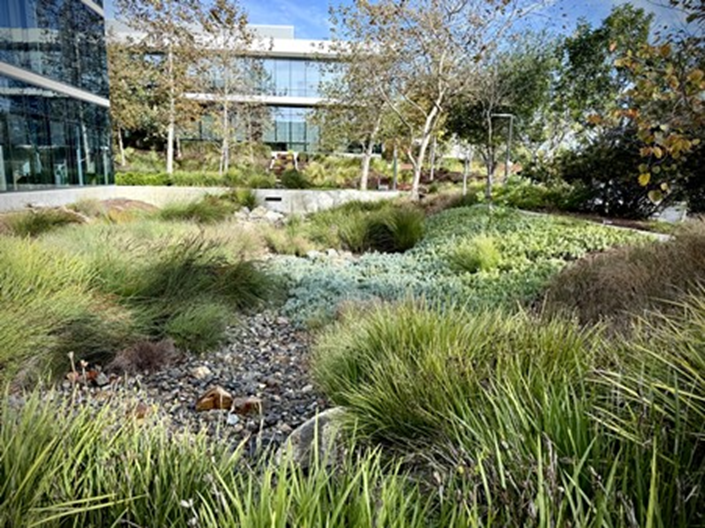
Nature-based solutions to stormwater runoff also known as “blue- green” infrastructure has made a come-back around the world. They are recognized globally as cost-effective and environmentally friendly method to tackle urban flooding and water pollution. The idea of ‘Sponge Cities,’ a holistic strategy that uses natural landscapes to reduce runoff, filter and clean stormwater, and retain groundwater, originated in China around 2010 but builds on decades of similar practices. Sponge cities can absorb much more water, recharge groundwater supplies, experience fewer floods, place less stress on storm drains, and reduce watershed pollution. They feature continuous green spaces that cool the city, boost urban ecosystems, raise biodiversity, and foster healthier, more inviting environments for people. China now boasts over 30 sponge cities.
In the United States, blue-green infrastructure like bioswales, floodable parks and rainwater retention ponds are increasingly included in new, large-scale public and commercial projects, recognized as vital components of sustainable water management.