
MAIL US :

1SMRTgarden@gmail.com

LOCATION :

USA

SMRT Gardens for a Sustainable Future

SMRT gardens can turn stormwater into community riches – beautiful green spaces, climate resilience, pollution remedy, pollinator habitat, living classroom, public pride. They can unite, educate and inspire people to create more SMRT solutions globally.

SMRT
Stormwater
Makes
Retained
Treasure

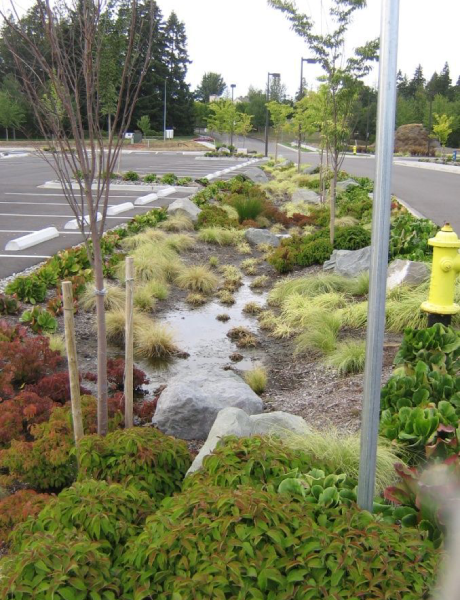
SMRT Gardens are innovative street-side and parking lot gardens designed to manage stormwater by channeling runoff from streets directly into bioswales. The plants within these gardens utilize the collected water to grow, while they simultaneously clean and replenish groundwater supplies. By integrating these gardens into urban landscapes, several environmental and community benefits are realized.

24+

YEARS OF EXPERIENCE

SMRT
Stormwater
Makes
Retained
Treasure

SMRT Gardens are innovative street-side and parking lot gardens designed to manage stormwater by channeling runoff from streets directly into bioswales. The plants within these gardens utilize the collected water to grow, while they simultaneously clean and replenish groundwater supplies. By integrating these gardens into urban landscapes, several environmental and community benefits are realized.

24+

YEARS OF EXPERIENCE

SMRT GARDEN BENEFITS

HOW DO SMRT GARDENS BENEFIT THE ENVIRONMENT?

  • Flood mitigation and prevention of erosion: As longer droughts and larger storms affect our cities, SMRT Gardens reduce the stress on our existing storm drain infrastructure. They direct rainwater off the pavement into gardens, slow the flow so that the water can be used efficiently for surrounding plants, then percolate into the ground, helping to recharge groundwater.
  • Cool Urban Spaces: SMRT Gardens help lower temperatures on streets, parking lots, and sidewalks, creating a cooler environment and reducing the urban heat island effect.
  • Wildlife Habitat: These gardens support native plants that can provide vital habitat for wildlife which in turn improves biodiversity in our community. Native pollinators are especially under threat from habitat loss, climate change and pollution. They are critical for our native ecosystems. SMRT Gardens provide food, shelter, and protection to native pollinators so they can thrive.
  • Pollution Reduction: By filtering stormwater through vegetation and soil (biofiltration), SMRT Gardens absorb pollutants that would end in our waterways, lakes and oceans. SMRT Garden plants can clean both water and air by a process called phytoremediation.   
  • Climate mitigation: SMRT Garden plants pull carbon dioxide, a major greenhouse gas, out of the air and store carbon.

HOW DO SMRT GARDENS BENEFIT THE COMMUNITY?

  • Improved Quality of Life: The presence of green spaces has been linked to better mental and physical health, reduced crime and conflict, and enhanced concentration and academic performance among students.
  • Economic Value: Green spaces add economic value to communities and foster a sense of pride and cooperation among residents. Shoppers spend more time and money in areas near green infrastructure. Housing units rent for more money and houses sell higher near green areas.
  • Education: The intentional placement of educational signage within these gardens serve to inform the public about the consequences of pollution, climate change, and habitat degradation, while simultaneously fostering sustainability, resilience, and cohesive communities. SMRT Gardens can be outdoor classrooms and settings for citizen science projects.

WHERE IS THE BEST PLACE FOR A SMRT GARDEN?

SMRT Gardens are beneficial anywhere there is space by roads and parking lots. However, urban flood-prone regions are often concentrated in low-income districts. They are also the areas with the fewest green spaces and most pollution. SMRT Gardens have potential to benefit these areas the most. SMRT Gardens are relatively low cost and low maintenance and can be installed by members of the community. Modern city development and landscape codes frequently integrate bioswales into their plans, but many older neighborhoods rely on gray infrastructure like conventional storm drains that are increasingly unable to manage intensified rainfall. SMRT Gardens could fill the gap.

How to build your own SMRT Garden

The beauty of the SMRT Garden is that it is relatively easy to create while it provides many benefits to the environment and community. Below is an outline to help you get started.

STEP 01
COMMUNITY OUTREACH/ FINDING PARTNERS

While a SMRT garden could be created by a single gardener on private land, a SMRT Garden is a great opportunity to bring the community together.

STEP 02
FINDING
LOCATIONS
SMRT gardens generally work well off slightly sloped streets and parking lots. Look for areas that collect water during rains.
STEP 03
DESIGNING THE SMRT GARDEN
When designing the garden, the first consideration is safety. Before any digging, always make sure that you are aware of underground utilities.

Contact us for questions or comments.