1SMRTgarden@gmail.com
USA
USA
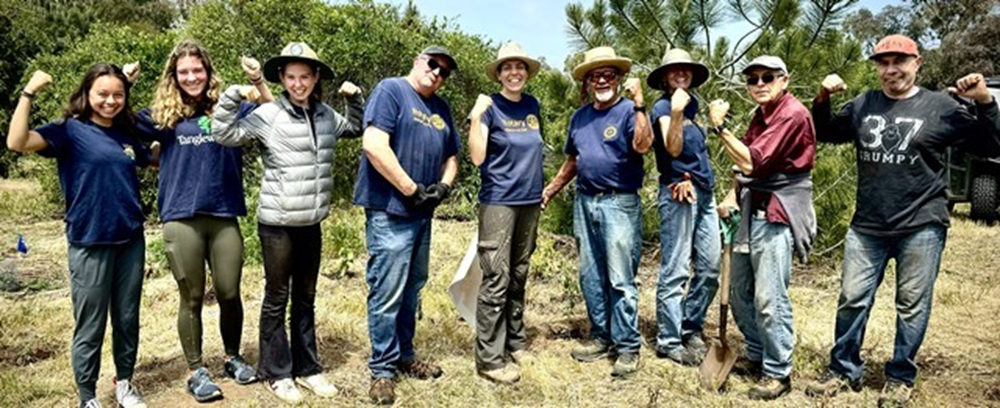

Rotary International is a large humanitarian organization. In 2020, Rotary added Environmental Protection to its Areas of Focus and has been doing environmental projects of all sizes around the world ever since. Solana Beach Eco Rotary Club is a single focus club with environmental protection and sustainability at it’s core. Our mission is ‘to educate ourselves and our communities about environmental challenges and engage in implementing their solutions.’ We created the concept of the SMRT (Stormwater Makes Retained Treasure) Garden with the hope that others will copy our idea and create their own garden. Our first demonstration SMRT Garden is in San Dieguito County Park in San Diego where we were allowed to develop unused land at the bottom of a road and parking lot. We are grateful to the generosity of San Diego County Parks and Recreation Department and to the Kumeyaay people who stewarded this land long before. We acknowledge this garden is part of the traditional, unceded, ancestral territory of the Kumeyaay people. The Solana Beach Eco Rotary Club is committed to supporting and honoring the rights of Indigenous communities.
Rotary International is a global network consisting of more than 1.2 million neighbors, friends, leaders, and problem-solvers. The organization envisions a world where people unite and take action to create lasting change. Rotary members share a responsibility to address the world’s most persistent issues through collective action.
Solana Beach Eco Rotary Club is a Rotary Club focused exclusively on environmental protection and sustainability. The mission of the club is to educate both its members and the broader community about environmental challenges and to engage in implementing solutions to those challenges.
Solana Beach Eco Rotary Club developed the concept of the SMRT (Stormwater Makes Retained Treasure) Garden, building upon similar successful projects from around the world. The hope is that others will be inspired to replicate this idea and establish their own unique SMRT Gardens. By fostering a ‘ripple effect’, we hope to create lasting solutions for environmental challenges facing our communities.
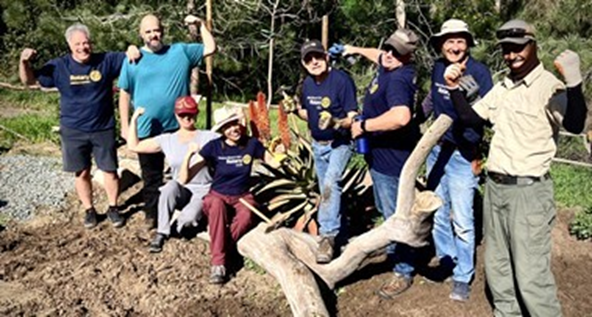
The first demonstration SMRT Garden is located in San Dieguito County Park in San Diego. The project utilized previously unused land at the bottom of a road and parking lot. We are grateful for the generosity of the San Diego County Parks and Recreation Department, the hard working volunteers who designed and created the garden, and to the Kumeyaay people who have stewarded this land for generations. We acknowledge that the garden is situated on the traditional, unceded, ancestral territory of the Kumeyaay people. Solana Beach Eco Rotary Club is committed to supporting and honoring the rights of Indigenous communities.
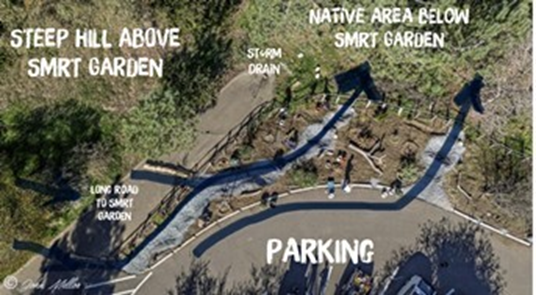
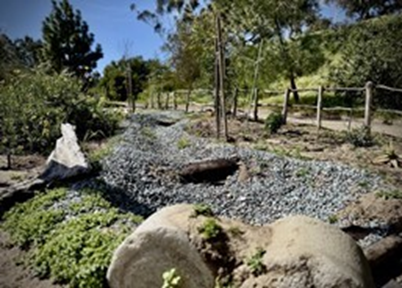
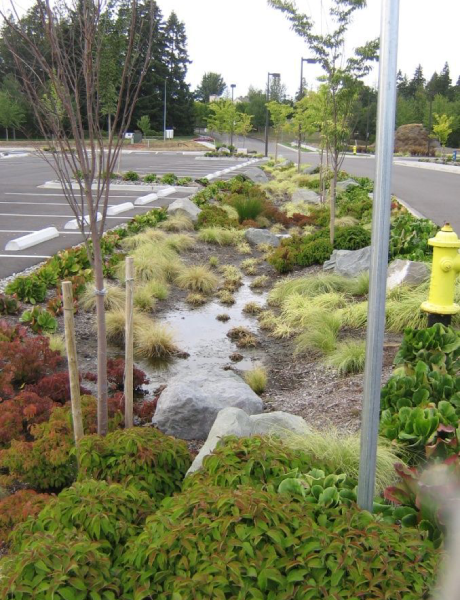
SMRT (Stormwater Makes Retained Treasure) Gardens are innovative street-side and parking lot gardens designed to manage stormwater by channeling runoff from streets directly into bioswales. The plants within these gardens utilize the collected water to grow, while they simultaneously clean and replenish groundwater supplies. By integrating these gardens into urban landscapes, several environmental and community benefits are realized.
SMRT Gardens are beneficial anywhere there is space by roads and parking lots. However, urban flood-prone regions are often concentrated in low-income districts. They are also the areas with the fewest green spaces and most pollution. SMRT Gardens have potential to benefit these areas the most. SMRT Gardens are relatively low cost and low maintenance and can be installed by members of the community. Modern city development and landscape codes frequently integrate bioswales into their plans, but many older neighborhoods rely on gray infrastructure like conventional storm drains that are increasingly unable to manage intensified rainfall. SMRT Gardens could fill the gap.